5 Powerful Content Strategy Tactics That Turn Traffic Into Conversions
Content strategy tactics sit at the heart of every crowded marketplace, where voices rise, ideas collide, and the right message still fights to be heard.
Many brands pour time, money, and creativity into content, only to watch it drift like a ship without a compass.
Traffic comes in waves, but conversions do too.
They barely ripple.
This is where content strategy tactics step in, not as guesswork, but as a map drawn in data. When guided by insight instead of instinct alone, your content stops wandering and starts working.
It speaks the language your audience already understands, meeting them where they are and nudging them where they need to go.
The truth is simple: not all content is created equal.
Some pieces inform, others entertain, but only a few convert. The difference often lies in the content strategy tactics behind them.
In this article, we’ll explore five proven, data-driven content strategy tactics that not only attract attention but also effectively convert that attention into measurable results.
Because when strategy meets insight, content stops being noise and starts becoming a quiet force that moves people.
Let’s get into what actually moves the needle.
Why Your Brand Needs Data-Backed Content Strategy Tactics to Scale
Once upon a time, marketing was a game of intuition.
Teams brainstormed ideas, followed hunches, and hoped something would stick.
It was a bit like throwing darts in the dark; occasionally, you’d hit the target, but most times, you’d miss the board entirely.
Today, that approach simply doesn’t cut it.
Read more: Mastering Conflict in Screenwriting: Unleash Magnetic Screenplay Tension
Modern brands need content strategy tactics rooted in data. Why? Because data doesn’t guess, it reveals.
It shows you what your audience clicks, reads, skips, and shares. It turns scattered efforts into a focused strategy.
When you lean into data-driven content strategy tactics, your decisions become sharper.
Your messaging becomes clearer. And your results? Far more predictable.
Instead of asking, “What should we create next?” you begin to ask, “What does our audience already want based on data?”
That shift changes everything, making your content more targeted and effective.
The Shift From Guesswork to Data-Backed Marketing Decisions
Creativity will always be the heartbeat of great marketing. But without direction, even the best ideas can fall flat.
Read more: Electrifying Screenplay Plot Twist Techniques: Surprise Without Losing Your Audience
Data-driven content strategy tactics replace assumptions with clarity. They allow you to see patterns in audience behavior, what they read, how long they stay, and what makes them act.
See this like switching on a light in a dim room. Suddenly, everything becomes visible.
With the right data, you can:
- Identify topics your audience genuinely cares about.
- Understand which formats perform best.
- Discover what messaging drives action.
Instead of producing content in bulk and hoping for results, you create with intention.
Every piece serves a purpose. Every word pulls its weight.
Read more: Powerful Screenplay Opening Scenes: Master the First 10 Pages with Irresistible Hooks
And over time, these content strategy tactics compound, turning scattered efforts into a system that consistently delivers.
How analytics reveal what audiences actually want is crucial because every click, scroll, and pause tells a story.
When you pay attention, patterns begin to emerge that can guide your content decisions more precisely.
If content is a conversation, analytics is how you listen.
Every click, scroll, and pause tells a story. And when you pay attention, patterns begin to emerge.
Analytics tools uncover:
- Which pages attract the most attention?
- Where do users lose interest?
- What content leads to conversions?
These insights act like breadcrumbs, guiding you toward what truly resonates.
For example, if a blog post consistently draws high traffic and engagement, that’s not luck; it’s a signal. It tells you your audience is hungry for that topic.
Smart brands take that signal and run with it, expanding the topic into deeper guides, related content, or even conversion-focused assets.
This is where content strategy tactics become powerful. They transform raw data into meaningful action.
Instead of creating content for everyone, you start creating content that feels personal, like it was written for one person, at the right moment.
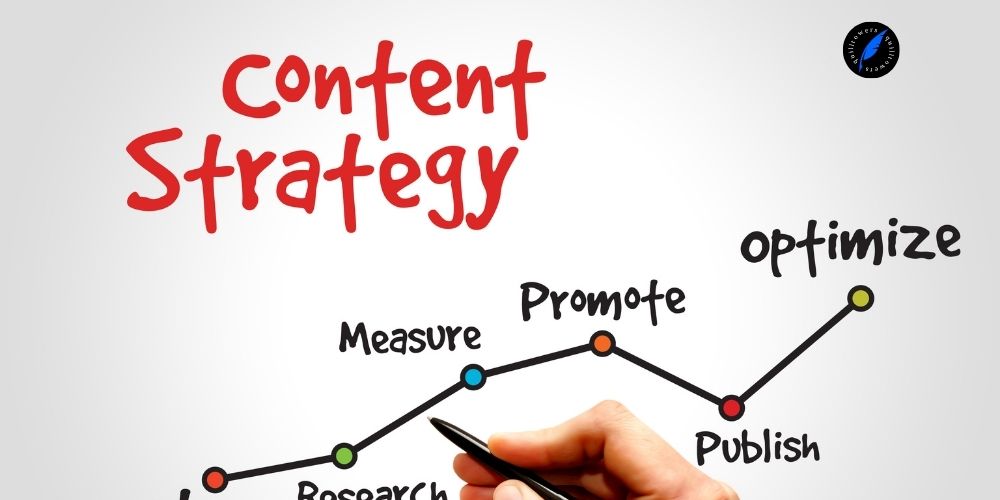
The Relationship Between Content Strategy Tactics and Conversion Optimization
Traffic is exciting. It looks good on dashboards. It feels like progress.
But traffic alone doesn’t pay the bills.
Conversions do.
This is where content strategy tactics shift from being helpful to being essential.
Because the goal isn’t just to attract visitors, it’s to guide them toward action.
Effective content strategy tactics align content with the buyer’s journey:
- Early-stage content builds awareness.
- Mid-stage content nurtures consideration.
- Late-stage content drives decisions.
It’s like guiding someone along a well-lit path rather than leaving them to wander in the dark.
Read more: How to Create a Compelling Character Arc That Drives Your Story Forward
When content matches intent at every stage, something powerful happens.
Visitors feel understood.
Trust begins to form.
And when trust is present, action becomes easier.
That’s the quiet magic of well-executed content strategy tactics; they don’t push. They guide.
Common Mistakes Businesses Make When They Ignore Data
Ignoring data in today’s marketing landscape is like sailing without a compass.
You may move, but you won’t know where you’re headed.
Many businesses fall into this trap, and the consequences are often costly.
Common mistakes include:
- Creating content without understanding the audience.
- Targeting keywords with little or no demand.
- Ignoring engagement metrics that reveal performance.
- Repeating strategies that no longer work.
These missteps drain resources and stall growth.
Without data-driven content strategy tactics, content becomes a guessing game. And guessing rarely leads to consistent results.
On the flip side, when you anchor your strategy in data, every decision becomes intentional.
You stop chasing trends and start building systems.
You stop reacting and start predicting.
And that’s where real growth begins.
As we move forward, the focus shifts from understanding the why behind data-driven strategies to exploring the how.
Because knowing the value of content strategy tactics is one thing, but applying them effectively is where transformation truly begins.
Beyond Generic: 3 Content Strategy Tactics for High-Impact Engagement
If generic content is a wide net cast into the ocean, then data-driven content strategy tactics are a finely tuned compass; they don’t just reach people, they reach the right people.
Read more: Sci-Fi Screenplay Tips: Make Worlds Feel Real
The most effective content strategy tactics are rooted in understanding how your audience thinks, searches, and behaves. Not in theory, but in reality.
Because today’s audience doesn’t respond to one-size-fits-all messaging, they respond to relevance.
And relevance is earned, not assumed.
By studying how users search, what they click, and how they move through the buyer journey, brands can create content that feels less like a broadcast and more like a conversation.
This shift transforms passive readers into active participants.
At the heart of this transformation are two powerful content strategy tactics: search intent analysis and behavioral audience segmentation.
Use Search Intent Analysis to Align Content With Buyer Needs
Every search query is a question in disguise.
Read more: Spec Script Success: Powerful Tips to Write One and Stand Out
Sometimes it’s obvious. Other times, it’s subtle.
But behind every keyword lies intent, a reason, a need, a moment of curiosity or urgency.
And understanding that intent is one of the most valuable content strategy tactics you can master.
Search intent analysis moves beyond keywords to focus on motivation. It asks: Why is this person searching? What are they hoping to find?
When you answer those questions, your content stops guessing and starts connecting.
Identify Informational, Navigational, and Transactional Intent
Not all searches are created equal. In fact, most fall into three distinct categories:
- Informational intent: The user is looking to learn or understand something.
- Navigational intent: The user is seeking a specific brand or website.
- Transactional intent: The user is ready to act—buy, sign up, or commit.
Imagine it like a journey.
Some people are just stepping through the door, looking around. Others are asking questions.
And a few are already at the counter, ready to make a decision.
Read more: Screenwriting Collaboration Mastery: Dos & Don’ts for Co-Writing Success
Smart content strategy tactics recognize these stages and meet users where they are.
For instance, a beginner searching for “what is conversion copywriting” needs clarity, not a sales pitch.
But someone searching “best conversion copywriting services” is already weighing options.
Different intent, different message.
Use Keyword Data to Understand User Motivation
Keywords are more than search terms; they’re signals.
Read more: Conversion Copywriting: How to Turn Traffic Into Paying Customers
They reveal what people care about, how they think, and what they’re trying to solve.
When you dig into keyword data, you start to see patterns that go far beyond surface-level trends.
You begin to understand:
- What questions does your audience keep asking?
- What problems are they trying to solve?
- What language do they naturally use?
This is where content strategy tactics become sharper and more precise.
Instead of creating content based on assumptions, you build it around real needs. You stop speaking to your audience and start speaking with them.
And that subtle shift makes all the difference.
Align Topics and Messaging With Intent to Increase Conversions
Once you understand intent, alignment becomes everything.
Content that matches user intent feels effortless to consume. It answers questions before they’re fully formed. It removes friction instead of adding to it.
Here’s how alignment plays out:
- Informational queries → in-depth guides, blog posts, educational content.
- Comparison queries → reviews, case studies, side-by-side analyses.
- Transactional queries → landing pages, demos, product-focused content.
When your content aligns with intent, it doesn’t need to shout to be heard.
It resonates.
And when content resonates, it builds trust. When trust builds, conversions follow naturally.
That’s the quiet power of well-executed content strategy tactics, they don’t force action, they invite it.
Build Audience Segments Using Behavioral Data
If search intent tells you why people come, behavioral data tells you what they do next.
And in that “what” lies opportunity.
Read more: Direct Response Copywriting: Proven Techniques That Drive Immediate Action
One of the most impactful content strategy tactics is audience segmentation based on behavior.
Instead of treating your audience like a single crowd, you begin to see them as individuals with different needs, goals, and actions.
Because not every visitor is on the same journey, even if they land on the same page.
Analyze Website Analytics, Engagement Metrics, and User Behavior
Your website is constantly collecting clues.
Every click, scroll, and pause paints a picture of user behavior. And when you step back, patterns begin to form.
Key signals to watch include:
- Pages users visit most often.
- Time spent on each piece of content.
- Click-through rates on links and CTAs.
- Actions taken before conversion.
These metrics aren’t just numbers, they’re stories.
They reveal what holds attention, what sparks curiosity, and what leads to action. When you analyze these signals, your content strategy tactics become more informed and more intentional.
Create Targeted Content for Different Audience Segments
Once patterns emerge, segmentation becomes possible.
And with segmentation comes precision.
Instead of creating one piece of content for everyone, you create different experiences for different groups:
- New visitors → simple, educational content.
- Interested prospects → comparison and solution-based content.
- Ready buyers → product-focused, conversion-driven content.
This approach transforms your content from a general message into a tailored experience.
Read more: Mastering UX Copywriting: The Ultimate Guide to Conversions and Clarity
It’s like walking into a store where everything feels curated just for you.
That’s the level of relevance modern audiences expect, and the kind that effective content strategy tactics deliver.
Personalization as a Powerful Content Strategy Tactic for Conversions
Segmentation is powerful. But personalization takes it a step further.
It’s the difference between speaking to a group and speaking to an individual.
Personalized content strategy tactics use data to shape experiences in real time, offering recommendations, adjusting messaging, and guiding users based on their behavior.
Examples include:
- Recommending articles based on past reading behavior.
- Showing tailored CTAs based on user intent.
- Delivering targeted email content aligned with user interests.
These small adjustments create a big impact.
Read more: B2B Copywriting: How to Shorten Long SaaS Sales Cycles
Because when content feels personal, it feels relevant. And when it feels relevant, it becomes harder to ignore.
That’s how modern content strategy tactics turn passive browsing into meaningful engagement, and meaningful engagement into measurable conversions.
As we move forward, the focus shifts again, from engagement to action. Because capturing attention is only half the story.
The real win lies in what happens next, when attention transforms into decision.

Revenue First: 2 Content Strategy Tactics for Maximum Conversions
Attention is good. Engagement is better. But conversions? That’s where the real story begins.
You can have all the traffic in the world, but if it doesn’t lead somewhere, it’s like filling a bucket with a hole at the bottom. This is why conversion-focused content strategy tactics are not just important; they are essential.
more: Conversion Copywriting Tips: 9 Proven Strategies for Higher Results
At this stage, the goal shifts. It’s no longer about attracting visitors; it’s about guiding them. Every click, every scroll, every pause becomes part of a journey designed to lead somewhere meaningful.
With the right content strategy and tactics, your content stops being a passive experience and becomes a pathway, one that gently, but deliberately, moves people toward action.
Optimize High-Traffic Pages With Conversion Data
If you want quick wins, don’t start from scratch. Start where the attention already lives.
High-traffic pages are like busy intersections. People are already passing through; you just need to guide them in the right direction.
This is one of the most practical content strategy tactics for improving conversions.
Identify Top-Performing Pages Through Analytics
Your analytics dashboard is more than numbers; it’s a map.
It shows you where people gather, linger, and leave. Within that data, certain pages stand out. These are your top performers, the ones already attracting attention.
By analyzing metrics like:
- Page views.
- Bounce rates.
- Time on page.
- Conversion rates.
You begin to see which pages have momentum.
And here’s the key: pages with high traffic already have leverage. Even a small improvement in these areas can lead to a noticeable lift in results.
That’s the quiet strength of smart content strategy tactics, they focus effort where it matters most.
Improve CTAs, Messaging, and Internal Linking
Once you know where attention is flowing, the next step is to shape that flow.
Read more: Technical Copywriting Made Simple: Clear Messaging for Complex Ideas
Consider your content like a guided path. If the signs are unclear or the direction feels confusing, people wander.
But when the path is clear, they move forward with confidence.
To refine that path, focus on:
- Calls-to-action (CTAs): Make them clear, visible, and compelling.
- Messaging: Highlight value, not just features.
- Internal linking: Lead readers naturally to the next step.
Each of these elements plays a role in guiding user behavior.
Well-executed content strategy tactics don’t push users; they remove friction. They make the next step feel obvious, even inevitable.
Use Heatmaps and Click Tracking to Refine Conversion Paths
Sometimes, what users say they’ll do and what they actually do are two different things.
This is where behavioral tools come in.
Heatmaps and click-tracking tools act like a behind-the-scenes lens. They show you where users click, how far they scroll, and where they lose interest.
These insights reveal hidden friction points:
- CTAs that are being ignored.
- Sections users skip entirely.
- Areas where attention drops off.
Armed with this knowledge, you can adjust layout, reposition elements, and refine messaging.
And just like that, your content strategy tactics become more precise, with less guesswork and greater clarity.
Test and Refine Content Strategy Tactics With A/B Testing
If data shows you the path, testing helps you choose the best route.
Read more: 9 Proven Award-Winning Copywriting Tips to Increase Sales Fast
A/B testing is one of the most reliable content strategy tactics for improving conversions because it replaces assumptions with evidence.
Instead of asking, “Will this work?” you ask, “Which version works better?”
Test Headlines, CTAs, Content Structure, and Messaging
Small changes can create big shifts.
A different headline, a clearer CTA, or a more structured layout can dramatically influence how users respond.
With A/B testing, you can experiment with:
- Headlines and subheadings.
- CTA placement and wording.
- Page design and structure.
- Messaging and offers.
Each variation tells a story. And over time, those stories reveal patterns.
The result? Content that is not only creative but also effective, powered by intentional content strategy tactics.
Use Data Insights to Determine What Converts Best
A/B testing gives you something invaluable: proof.
Instead of relying on intuition, you rely on results. You see what users respond to, what they ignore, and what drives action.
This clarity allows you to continuously refine your approach.
Your content strategy tactics evolve, not based on trends, but on real behavior.
And that’s how you move from “hoping it works” to “knowing it works.”
Continuous Optimization as a Core Content Strategy Tactic
Conversion optimization isn’t a one-time fix. It’s an ongoing process.
The digital landscape shifts. Audience preferences change. What worked yesterday may not work tomorrow.
Read more: Affordable Copywriting Packages That Deliver Big Results
That’s why the most effective content strategy tactics are built on continuous improvement.
With each test, each insight, and each adjustment, your strategy becomes stronger.
It’s like sharpening a blade; small refinements over time create something powerful.
Repurpose High-Performing Content Based on Performance Metrics
Not all content needs to be created from scratch.
Read more: Brand-Voice Copywriting: How to Stand Out and Connect
Sometimes, your best opportunity is already sitting in your archive, waiting to be expanded.
Repurposing is one of the most efficient content strategy tactics because it builds on what’s already working.
Identify Content That Already Drives Engagement
Your analytics will tell you which pieces are pulling their weight.
These are the articles, guides, or resources that consistently:
- Attract traffic.
- Keep users engaged.
- Generate shares or conversions.
These aren’t just content pieces; they’re assets.
By identifying them, you shift from constant creation to strategic amplification, one of the smartest content strategy tactics.
Transform It Into Multiple Formats
A single idea can take many forms.
What starts as a blog post can become:
- A downloadable guide
- An email series
- A webinar or presentation
- A conversion-focused landing page
Repurposing lets you reach your audience across different channels without reinventing the wheel.
It’s not about doing more, it’s about doing more with what already works.
Extend Reach While Strengthening Conversion Opportunities
Each new format creates a new entry point.
Read more: Email Copywriting: Why These Simple Strategies Instantly Boost Open Rates
A reader who missed your blog might engage with your email. Someone who skipped your article might watch your webinar.
And with each touchpoint, your message becomes stronger.
Strategic content strategy tactics ensure that your best ideas don’t fade, they multiply.
Over time, this approach transforms individual content pieces into a system that drives sustained growth.
Where the Real Results Begin
Content without direction is like a story without an ending; it may capture attention, but it rarely leads anywhere.
Data-driven content strategy tactics change that.
They turn scattered efforts into structured systems. They transform content from a creative exercise into a conversion engine.
And most importantly, they help you connect with your audience in ways that feel natural, relevant, and impactful.
From understanding search intent to segmenting audiences, optimizing high-traffic pages, testing variations, and repurposing what works, these content strategy tactics are not just strategies; they are tactics. They are growth levers.
But here’s the truth most brands overlook: knowing these tactics is one thing; actually using them is another. Applying them effectively is another.
And that’s where the real transformation happens.
Read more: Landing Page Copywriting Secrets for Creating Persuasive Pages That Convert
If you’re ready to stop guessing and start building content that actually converts, content that speaks, connects, and drives results, then now is the time to act.
At Quilltowers, we don’t just create content.
We craft strategies.
We build systems.
We turn ideas into impact.
Because your brand deserves more than visibility, it deserves results.
Don’t let your content sit idle while opportunities pass by.
Take the next step. Reach out to Quilltowers today, and let’s create something that doesn’t just get seen, but gets remembered, trusted, and acted on.