

10 Powerful Content Strategy Frameworks That Explode Brand Visibility
Content strategy frameworks are the compass that many brands don’t realize they’re missing.
Without them, content drifts like a ship without a rudder, sailing across the digital ocean but never quite reaching shore.
Blog posts are published.
Social updates appear.
Guides and resources pile up.
Yet the results feel like pouring water into a bucket riddled with holes.
Sound familiar?
Many businesses invest time, energy, and creativity into content, hoping visibility will follow. But hope alone rarely moves the needle.
Without content strategy frameworks, even the most brilliant content can scatter as autumn leaves in the wind, beautiful, but directionless.
And that’s the real challenge brands face in today’s crowded digital marketplace.
The internet is overflowing with information. Millions of pages compete for attention, and search engines are constantly refining how they evaluate content.
In this landscape, publishing content without structure is like throwing darts in the dark and hoping something sticks.
What separates brands that quietly disappear from those that dominate search results?
The answer often lies in content strategy frameworks.
These frameworks give content a clear structure instead of leaving it scattered.
Instead of isolated articles floating alone, every piece of content becomes a brick in a carefully designed structure, supporting, strengthening, and amplifying the rest.
In other words, content strategy frameworks turn scattered ideas into a living system that:
- Attracts consistent organic traffic.
- Builds authority in your niche.
- Strengthens brand visibility across channels.
Throughout this guide, you’ll discover 10 powerful content strategy frameworks that forward-thinking brands are using to scale their visibility in 2026.
Each framework offers a unique way to organize ideas, guide content creation, and align your strategy with how audiences actually search and engage.
Think of them as the gears inside a well-oiled machine. When they move together, momentum builds.
The blueprint is now on the table.
What comes next could reshape how your brand shows up online.
Why Content Strategy Frameworks Are the Engine Behind Brand Visibility
Content marketing success rarely happens by accident.
Behind every brand that consistently appears in search results, social feeds, and industry conversations is a system quietly working behind the scenes.
That system is built on content strategy frameworks.
At its core, content strategy frameworks provide structured models that guide what content gets created, why it exists, and how it supports broader business goals.
Instead of publishing randomly, brands use frameworks to align:
- Audience needs.
- SEO opportunities.
- Brand messaging.
When these elements move in harmony, something powerful happens. Individual pieces of content stop acting on their own and begin working together, like instruments in an orchestra.
Without content strategy frameworks, content often becomes reactive.
One week, it’s a blog post about trends.
Next week it’s a tutorial.
The following week, it’s a product announcement.
Nothing connects.
But when businesses adopt structured content strategy frameworks, scattered posts become a carefully designed ecosystem, one that steadily attracts traffic, strengthens authority, and expands visibility.
Research into modern SEO practices reinforces this idea. Structured content models such as topic clusters and pillar pages help search engines recognize topical expertise and understand how pages relate to one another.
When content follows logical structures, websites become easier for search engines to crawl, interpret, and rank.
In short, content strategy frameworks don’t just organize content. They amplify its impact.
Content Chaos vs Structured Strategy
Many brands publish content consistently yet struggle to see meaningful results.
The calendar is full.
Articles go live every week.
Social channels stay active.
But growth remains frustratingly slow.
The root of the problem is simple: publishing alone is not a strategy.
Without content strategy frameworks, content often becomes fragmented. Articles exist in isolation, competing for the same keywords or addressing topics that don’t build upon one another.
The result is what many marketers quietly experience: content chaos.
Content chaos looks like this:
- Blog posts targeting similar keywords that compete against each other.
- Articles that answer questions but never connect to deeper resources.
- Pages that search engines struggle to categorize within a larger theme.
To readers, the site feels scattered.
To search engines, the structure feels unclear.
Content strategy frameworks solve this problem by introducing order where chaos once ruled.
Instead of disconnected pieces, content becomes part of a structured hierarchy.
Topics branch into subtopics.
Supporting articles strengthen core resources.
Internal links guide readers through a logical journey.
Think of it as building a city rather than scattering houses across an empty field. Roads connect neighborhoods.
Infrastructure supports growth. Every new addition strengthens the entire system.
That is the quiet power of content strategy frameworks.
Why Random Publishing Fails
Random publishing can sometimes generate short bursts of attention.
A trending topic might catch a wave of traffic, much like a spark briefly lighting the night sky.
But sparks fade quickly.
Without content strategy frameworks, content rarely drives sustainable growth. Over time, several problems begin to surface:
- Topics overlap and create keyword cannibalization.
- Articles lack internal connections that guide readers deeper.
- Search engines struggle to understand relationships between pages.
As search engines evolve, they increasingly reward websites that demonstrate expertise across entire topics rather than isolated articles.
This shift has reshaped modern SEO.
Instead of asking, “Does this page target a keyword?” search engines are increasingly asking, “Does this website truly understand this subject?”
Content strategy frameworks help answer that question with a confident yes.
By structuring content around themes and clusters, frameworks create depth, clarity, and consistency, three signals search engines use to determine authority.
And when authority grows, visibility follows.
How Content Strategy Frameworks Improve Discoverability
Discoverability sits at the heart of brand visibility.
After all, even the most insightful content cannot create impact if nobody finds it.
That’s where content strategy frameworks quietly perform their magic.
Well-designed content strategy frameworks organize content in ways that mirror how people search for information and how search engines interpret relationships between topics.
Instead of scattering content across random ideas, frameworks build pathways.
These pathways guide readers from one question to the next while signaling to search engines that the site offers meaningful expertise on the subject.
Over time, these connections transform content into a network, one that continuously expands reach and discoverability.
Aligning Content With Search Intent
Modern SEO revolves around a simple yet powerful concept: search intent.
Search intent reflects the real reason a user is searching. When someone types a phrase into Google, they’re not just entering keywords; they’re expressing a need.
Some people are exploring ideas.
Others are comparing solutions. Some are ready to act.
Effective content strategy frameworks organize content to meet these different intentions.
For example:
- Informational content answers questions and builds awareness.
- Comparative content helps users evaluate alternatives.
- Transactional content supports decision-making.
When content aligns with user intent, something remarkable happens.
Readers feel understood, and search engines recognize the page as relevant.
That alignment is one of the quiet strengths of content strategy frameworks. They help ensure content appears at the right moment in the audience’s journey.
Like meeting someone exactly where they stand on the road.
Creating Authority and Topical Depth
Another powerful benefit of content strategy frameworks is their ability to build topical authority.
Rather than publishing unrelated articles, frameworks encourage brands to organize content around central themes.
This often involves structures such as:
- Pillar pages that cover a broad topic
- Cluster articles that explore specific subtopics
- Internal links connecting related ideas
Together, these elements create a web of interconnected knowledge.
To search engines, this structure sends a clear signal: the website understands this subject deeply.
And when websites demonstrate expertise consistently across a topic, their chances of ranking for related keywords grow significantly.
In other words, content strategy frameworks help turn websites into trusted knowledge hubs rather than scattered collections of posts.
The Role of Frameworks in Modern SEO and Brand Growth
As search algorithms grow more sophisticated, they increasingly reward websites that prioritize relevance, clarity, and user experience.
This is precisely where content strategy frameworks shine.
They provide the structure needed to meet modern SEO expectations while supporting long-term brand growth.
Instead of chasing trends, businesses can build systems that generate momentum over time.
Three benefits make content strategy frameworks particularly powerful in today’s digital landscape.
Consistency
Consistency is one of the quiet pillars of success in content marketing.
Without content strategy frameworks, teams often struggle to decide what to publish next.
Ideas feel random, and the strategy shifts from week to week.
Frameworks change that dynamic.
They create a repeatable content-creation process, allowing marketers to follow a roadmap rather than guess the next step.
Over time, this steady rhythm builds trust with both readers and search engines.
Consistency turns content from occasional sparks into a steady lighthouse beam guiding audiences back again and again.
Scalability
Growth requires more than consistency. It requires scalability.
This is where content strategy frameworks truly prove their worth.
When a structured framework is in place, such as a pillar page supported by multiple cluster articles, new content can expand naturally around that foundation.
Each new article strengthens the existing structure rather than competing against it.
Gradually, the website evolves into a network of interconnected resources.
Like branches growing from a sturdy tree trunk, the structure becomes stronger with every addition.
And with each new branch, visibility expands.
Measurable Results
Finally, content strategy frameworks make performance easier to track and improve.
When content follows a strategic structure, marketers can analyze patterns more clearly. They can identify:
- Which topics drive the most traffic?
- Which pages generate engagement?
- Which content leads to conversions?
This insight transforms content marketing into a data-guided discipline rather than guesswork.
Over time, teams refine their content strategy frameworks, doubling down on successful topics and improving weaker areas.
The result is a strategy that grows smarter with every iteration.
The Blueprint Behind Brand Visibility
In a content-saturated landscape, visibility rarely comes from publishing more; it comes from publishing smarter.
That’s exactly what content strategy frameworks enable.
They replace chaos with clarity.
They transform isolated posts into connected ecosystems.
And they give brands the structure they need to sustainably scale visibility.
But this is only the beginning.
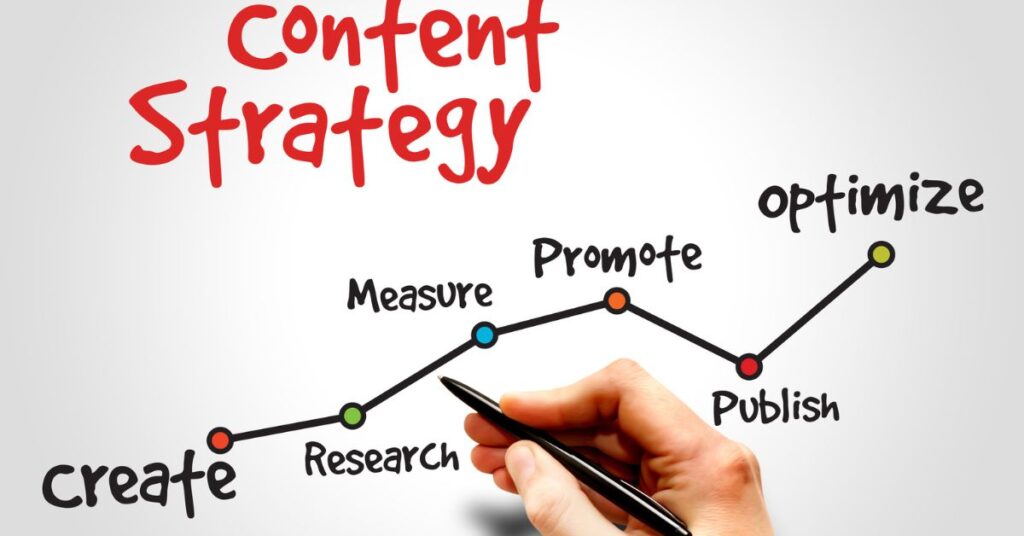
10 Powerful Content Strategy Frameworks That Drive Visibility and Authority
Successful brands rarely rely on guesswork.
Behind the curtain, most high-performing websites are powered by carefully designed content strategy frameworks that guide how ideas become impactful content.
Read more: Copywriting Services: 13 Winning Tips to Sharpen and Elevate Your Brand Story
Picture these content strategy frameworks as the skeleton of a thriving content ecosystem.
Without them, content often moves in circles, busy but unproductive. With them, every article, guide, or resource becomes part of a bigger picture that steadily strengthens brand visibility.
Instead of scattering blog posts across unrelated topics, content strategy frameworks help marketers build structured systems where each piece of content reinforces the others.
Over time, this structure becomes like a well-built bridge, connecting ideas, guiding readers, and signaling authority to search engines.
Read more: Website Copywriting Secrets That Drive Massive Engagement
Research in modern SEO consistently supports this approach. Structured architectures such as topic clusters and pillar pages help search engines interpret relationships between pages and recognize topical expertise.
In other words, content strategy frameworks help websites speak the language of search engines more clearly.
Below are ten powerful content strategy frameworks that help brands move from scattered content to scalable visibility.
The Hub-and-Spoke Content Framework
What It Is
Among the most widely used content strategy frameworks, the hub-and-spoke model organizes content around a central resource called the hub.
This hub provides a comprehensive overview of a topic, while supporting articles, known as spokes, explore individual subtopics in greater detail.
Read more: Landing Page Copywriting Secrets for Creating Persuasive Pages That Convert
Picture a bicycle wheel. The hub sits in the center, while the spokes connect outward to smaller pieces of content.
This structure is one of the content strategy frameworks that helps transform scattered blog posts into a cohesive knowledge network.
How It Improves Brand Visibility
The hub-and-spoke approach strengthens SEO by creating a clear information hierarchy.
When multiple spokes link back to the hub:
- Search engines recognize the hub as an authoritative resource.
- Internal linking becomes stronger.
- Topical relevance becomes clearer.
As a result, content strategy frameworks like this help websites rank more consistently for competitive keywords.
Practical Example
A digital marketing company might build a hub titled:
“The Complete Guide to Content Marketing.”
Supporting spokes could include:
- Content marketing tools.
- Content marketing strategy templates.
- Content marketing metrics.
- Content promotion techniques.
Each spoke connects to the hub, forming a structured system that strengthens the site’s overall authority.
The Topic Cluster Framework
What It Is
Another powerful entry among content strategy frameworks is the topic cluster model.
Instead of creating isolated posts, this framework groups related content around a central theme.
Read more: Email Copywriting: Why These Simple Strategies Instantly Boost Open Rates
At the center sits a pillar article covering the broad topic. Surrounding it are cluster articles answering more specific questions related to that subject.
Think of it as a solar system, where the pillar page acts as the sun and cluster posts orbit around it.
How It Improves Brand Visibility
Search engines increasingly favor websites that demonstrate depth across a topic.
Topic clusters help achieve this by:
- Building topical authority.
- Connecting related keywords.
- Strengthening internal links.
When used within content strategy frameworks, clusters help websites rank for multiple related queries rather than competing for a single keyword.
Practical Example
A pillar article titled “Complete Guide to SEO” might be supported by cluster content such as:
- On-page SEO techniques.
- Technical SEO checklist.
- Link-building strategies.
- Keyword research methods.
Together, these pages form a cluster that signals expertise to search engines.
The Pillar Page Framework
What It Is
In many content strategy frameworks, pillar pages serve as cornerstone content.
A pillar page provides an in-depth overview of a broad topic while linking to detailed articles that explore specific subtopics.
Read more: Brand-Voice Copywriting: How to Stand Out and Connect
Think of a pillar page as the trunk of a tree. The branches, supporting pages, extend outward to provide deeper insight.
How It Improves Brand Visibility
Pillar pages strengthen SEO because they:
- Consolidate authority around a central keyword.
- Guide readers toward related content.
- Improve navigation and engagement.
When integrated into content strategy frameworks, pillar pages create structured knowledge hubs that search engines can easily interpret.
Practical Example
A SaaS company might build a pillar page titled:
“Customer Relationship Management (CRM) Guide.”
Supporting pages could include:
- CRM software comparison.
- CRM implementation tips.
- CRM automation strategies.
This structure transforms one topic into an entire ecosystem of valuable resources.
The Content Flywheel Framework
What It Is
Some content strategy frameworks focus less on structure and more on momentum.
The content flywheel model is one such framework.
Instead of viewing content as isolated campaigns, the flywheel approach creates a continuous loop where each piece fuels the next.
Like a heavy wheel gaining speed, the more momentum content builds, the easier growth becomes.
How It Improves Brand Visibility
The flywheel framework helps brands maintain consistent engagement by:
- Attracting audiences through helpful content.
- Converting readers into customers.
- Encouraging customers to share and amplify content.
Within content strategy frameworks, the flywheel approach transforms audiences into advocates.
Practical Example
A SaaS company might:
- Publish educational blog posts.
- Transform those posts into webinars.
- Turn webinar insights into case studies.
- Create new marketing content from customer success stories
Each step fuels the next, keeping the flywheel spinning.
The AIDA Content Framework
What It Is
Among classic content strategy frameworks, AIDA remains one of the most effective.
The acronym stands for:
- Attention.
- Interest.
- Desire.
- Action.
This framework structures content so readers move smoothly from curiosity to decision.
How It Improves Brand Visibility
AIDA strengthens engagement because it aligns with human psychology.
When integrated into content strategy frameworks, this model helps content:
- Capture attention quickly.
- Maintain reader interest.
- Build emotional desire.
- Encourage action.
Practical Example
A product page might follow this sequence:
- Attention: A compelling headline.
- Interest: Clear explanation of benefits.
- Desire: Customer testimonials and proof.
- Action: A strong call-to-action
The Skyscraper Content Framework
What It Is
Among SEO-focused content strategy frameworks, the skyscraper method stands tall.
The idea is simple: identify top-ranking content and create something even better, taller, stronger, and more valuable.
Just as building the tallest structure in a skyline aims to stand above the rest, the goal is to stand above the rest.
How It Improves Brand Visibility
This framework improves rankings by:
- Attracting backlinks.
- Providing deeper insights.
- Offering updated and richer information.
When used effectively, content strategy frameworks like the skyscraper method help brands dominate competitive topics.
Practical Example
If a popular article lists “10 SEO tools,” a skyscraper version might include:
- 25 tools.
- In-depth comparisons.
- Real use cases.
- Updated data and screenshots.
The result becomes a more comprehensive resource.
The Content Repurposing Framework
What It Is
Efficiency lies at the heart of this entry among content strategy frameworks.
The repurposing model transforms a single piece of content into multiple formats to maximize reach.
Envision it as squeezing every drop of juice from a ripe orange.
How It Improves Brand Visibility
Repurposing expands content distribution across platforms.
Instead of publishing once, brands multiply their presence through:
- Blog posts.
- Videos.
- Social media updates.
- Podcasts.
This approach allows content strategy frameworks to extend the life and reach of each idea.
Practical Example
A research report could be repurposed into:
- Blog articles.
- Infographics.
- LinkedIn posts.
- Podcast discussions.
- YouTube explainers.
The Customer Journey Framework
What It Is
Some content strategy frameworks focus on aligning content with the buyer’s journey.
This framework organizes content around three stages:
- Awareness.
- Consideration.
- Decision.
Each stage addresses a different user need.
How It Improves Brand Visibility
By matching content to user intent, this framework ensures readers find exactly what they need at each step.
Within content strategy frameworks, this alignment improves both engagement and conversions.
Practical Example
A cybersecurity company might create:
- Awareness: “What Is Cybersecurity?”
- Consideration: “Best Cybersecurity Tools for Businesses”,
- Decision: “Cybersecurity Software Comparison.”
Each stage moves readers closer to action.
The Thought Leadership Framework
What It Is
Authority-building content strategy frameworks often include thought leadership.
This framework focuses on publishing unique insights, expert perspectives, and original research.
Rather than repeating what everyone else says, thought leaders shape the conversation.
How It Improves Brand Visibility
Thought leadership attracts:
- Backlinks.
- Media mentions.
- Industry recognition.
Within content strategy frameworks, this type of content positions brands as trusted voices.
Practical Example
A consulting firm might publish:
- Industry trend reports.
- Expert opinion pieces.
- Data-driven whitepapers.
Over time, these insights elevate the brand’s reputation.
The Data-Driven Content Framework
What It Is
The final entry among powerful content strategy frameworks relies on analytics rather than guesswork.
Read more: Affordable Copywriting Packages That Deliver Big Results
This model uses audience data, keyword research, and performance insights to guide content decisions.
In simple terms, it replaces intuition with evidence.
How It Improves Brand Visibility
Data-driven strategies ensure content targets topics with proven demand.
Within content strategy frameworks, this approach improves:
- Ranking potential.
- Engagement.
- Content relevance.
Practical Example
A marketing team analyzing search trends might discover strong interest in AI marketing tools.
Using that insight, they could create:
- Comparison guides.
- Tutorials.
- Case studies.
- Tool reviews.
Each piece responds directly to real search demand.
These ten content strategy frameworks form the backbone of modern content marketing. When used thoughtfully, they transform scattered ideas into powerful systems that steadily grow traffic, authority, and brand visibility.
But frameworks alone are only part of the equation.
The next step is learning how to choose the right Content Strategy Frameworks for your brand, and how to combine them into a scalable system that drives long-term growth.

How to Choose the Right Content Strategy Framework for Your Brand
Choosing the right content strategy frameworks is not about following trends or copying another brand.
It’s about selecting the model that fits your goals, your audience, and the resources you have available.
Envision content strategy frameworks like architectural blueprints. A skyscraper and a cottage may both be buildings, but they require completely different designs.
Similarly, the framework that powers a global SaaS brand may not be the best fit for a niche consulting firm.
Read more: 9 Proven Award-Winning Copywriting Tips to Increase Sales Fast
At its essence, content strategy is a structured process for planning, creating, and managing useful content that supports both business objectives and audience needs.
When the right content strategy frameworks guide that process, content stops being a random collection of posts and becomes a strategic engine for visibility, authority, and growth.
Instead of shouting into the digital void, your content begins to move with purpose, ike a well-orchestrated symphony rather than a room full of instruments playing at random.
And that shift can change everything.
Matching Frameworks to Business Goals
Every effective strategy begins with clarity.
Before choosing among the many content strategy frameworks, you must first understand what your business is trying to achieve.
Are you trying to attract more visitors?
Build industry authority?
Generate qualified leads?
Read more: Technical Copywriting Made Simple: Clear Messaging for Complex Ideas
Marketing experts consistently emphasize that successful content strategies closely align with broader business objectives, such as traffic growth, lead generation, and brand recognition.
Once those goals are clear, choosing the right content strategy frameworks becomes far easier.
Below are three common goals that often guide the selection of a framework.
Traffic
If your primary goal is increasing website traffic, content strategy frameworks that prioritize SEO and discoverability should take centre stage.
These frameworks typically focus on:
- keyword research.
- Topic clusters and pillar pages.
- Consistent publishing schedules.
- Strong internal linking structures.
When implemented correctly, these content strategy frameworks help search engines understand how your content fits together.
Read more: Conversion Copywriting Tips: 9 Proven Strategies for Higher Results
Imagine a technology blog aiming to increase organic traffic. Instead of publishing isolated articles about artificial intelligence, the blog might create a topic cluster around the subject.
At the center sits a pillar article titled “AI in Marketing.” Surrounding it are supporting articles covering:
- AI marketing tools.
- Marketing automation strategies.
- AI case studies.
- Ethical AI considerations.
Each article connects to the pillar page, forming a structured system that helps search engines recognize the site’s topical expertise.
Over time, this approach turns a handful of posts into a powerful visibility engine.
Authority
For some brands, traffic alone is not the ultimate goal. Instead, they aim to become recognized voices in their industries.
In this case, content strategy frameworks designed for authority-building work best.
These frameworks often emphasize:
- Thought leadership content.
- Comprehensive educational resources.
- Original research and data insights.
Publishing valuable content consistently builds credibility and trust with readers.
Consider a cybersecurity firm that releases an annual Cyber Threat Report. Alongside the report, the company publishes detailed articles analyzing attack patterns, emerging vulnerabilities, and prevention strategies.
Over time, this body of work signals expertise, not just to readers, but also to search engines.
Within well-structured content strategy frameworks, authority grows like a tree. Each new branch of insight strengthens the trunk.
Lead Generation
For many businesses, especially SaaS companies and service providers, the ultimate goal of content is to generate leads.
In these situations, content strategy frameworks should guide users toward conversion opportunities while still delivering meaningful value.
Common frameworks that support lead generation include:
- Customer journey frameworks
- Funnel-based content strategies
- Conversion-focused landing pages
A SaaS company could organize content around the marketing funnel.
Awareness stage content
- Articles explaining industry challenges.
- Educational guides.
- Beginner tutorials.
Consideration stage content
- Comparison articles
- Product feature breakdowns
- Case studies
Decision stage content
- Product demos
- Free trials
- Detailed software comparisons
When structured through content strategy frameworks, this journey feels natural to readers.
Each step gently guides them closer to a solution.
Instead of forcing conversions, the content builds trust first, and conversions follow.
Combining Multiple Frameworks for Scale
Here’s a secret many successful brands understand: they rarely rely on just one framework.
Read more: B2B Copywriting: How to Shorten Long SaaS Sales Cycles
Instead, they combine several content strategy frameworks to build scalable systems that grow stronger over time.
Imagine it like building a house. The foundation, plumbing, wiring, and structure all work together.
Remove one element, and the whole system weakens.
The same principle applies to content.
Layering Strategy Systems
Layering multiple content strategy frameworks enables businesses to address several strategic goals simultaneously.
A layered strategy might include:
- Topic clusters to strengthen SEO authority.
- Customer journey frameworks to guide conversions.
- Content repurposing frameworks to expand distribution.
For example, a marketing agency might publish a comprehensive pillar article about content marketing.
From that single piece, the agency could create:
- Supporting cluster articles.
- LinkedIn posts.
- Webinar discussions.
- Downloadable guides.
Each piece reinforces the others.
This layered system ensures every idea works harder, travels further, and contributes to the broader strategy.
Within effective content strategy frameworks, content becomes less like a single spark and more like a steady fire that continues to grow.
Practical Steps to Implement a Framework in 2026
Choosing among the many content strategy frameworks is only the first step. Execution is where strategy becomes reality.
Read more: Mastering UX Copywriting: The Ultimate Guide to Conversions and Clarity
A robust implementation process ensures that frameworks translate into real results rather than remain theoretical plans.
Below are the key stages for putting content strategy frameworks into action.
Research
Every successful strategy begins with research.
This stage typically involves:
- Audience analysis.
- keyword research.
- Competitor analysis.
- Identifying high-demand content opportunities.
By understanding what your audience searches for,and where competitors fall short, you uncover opportunities that can drive meaningful growth.
Research lays the foundation for successful content strategy frameworks.
Planning
Once research is complete, the next step is strategic planning.
Planning involves:
- Defining clear content goals,
- Selecting appropriate content strategy frameworks,
- Creating editorial calendars,
- Mapping content to the customer journey.
Many organizations also use the SMART goal framework, specific, measurable, achievable, relevant, and time-bound, to keep initiatives focused and measurable.
Without planning, even the best content strategy frameworks can lose direction.
Content Execution
Execution is when ideas become tangible content.
At this stage, teams begin producing assets aligned with their chosen content strategy frameworks, including:
- Pillar pages and cluster articles.
- Blog posts and educational guides.
- Videos and infographics.
- Podcasts and social media content.
Consistency is critical here.
Publishing valuable content regularly signals reliability to both audiences and search engines. Over time, that consistency becomes one of the strongest advantages within content strategy frameworks.
Measurement
No strategy is complete without measurement.
Tracking performance allows marketers to refine their content strategy frameworks over time.
Important metrics often include:
- Organic traffic growth.
- Engagement metrics such as time on page.
- Lead conversions.
- Backlink acquisition.
By regularly analyzing these signals, teams can identify which topics resonate most with their audience.
Data then feeds back into the system, making the next round of content even more effective.
Final Thoughts
In a digital world overflowing with content, visibility doesn’t come from shouting louder.
It comes from building smarter systems.
That is exactly what content strategy frameworks provide.
They transform scattered ideas into structured ecosystems.
They turn isolated articles into interconnected resources.
And most importantly, they give brands the strategic foundation needed to grow consistently.
Read more: Direct Response Copywriting: Proven Techniques That Drive Immediate Action
Without content strategy frameworks, content marketing can feel like rowing a boat with one oar, lots of effort but little progress.
With the right frameworks in place, momentum builds.
Traffic grows.
Authority strengthens.
Opportunities expand.

Turn Your Content Into a Visibility Machine
Reading about content strategy frameworks is one thing.
Another is building a system that actually drives traffic, authority, and leads.
That’s where the right guidance makes all the difference.
At Quilltowers, we don’t just write content; we design content strategy frameworks that transform scattered ideas into powerful ecosystems built for visibility and long-term growth.
If your content feels stuck, invisible, or scattered across too many directions, now is the moment to change the trajectory.
Read more: Conversion Copywriting: How to Turn Traffic Into Paying Customers
While competitors continue publishing at random, brands using strategic content strategy frameworks are quietly building digital empires.
The question is simple:
Will your brand drift with the tide, or build the lighthouse everyone navigates toward?
Explore Quilltowers’ content strategy services today and start building a system that works as hard as you do.




One Comment